
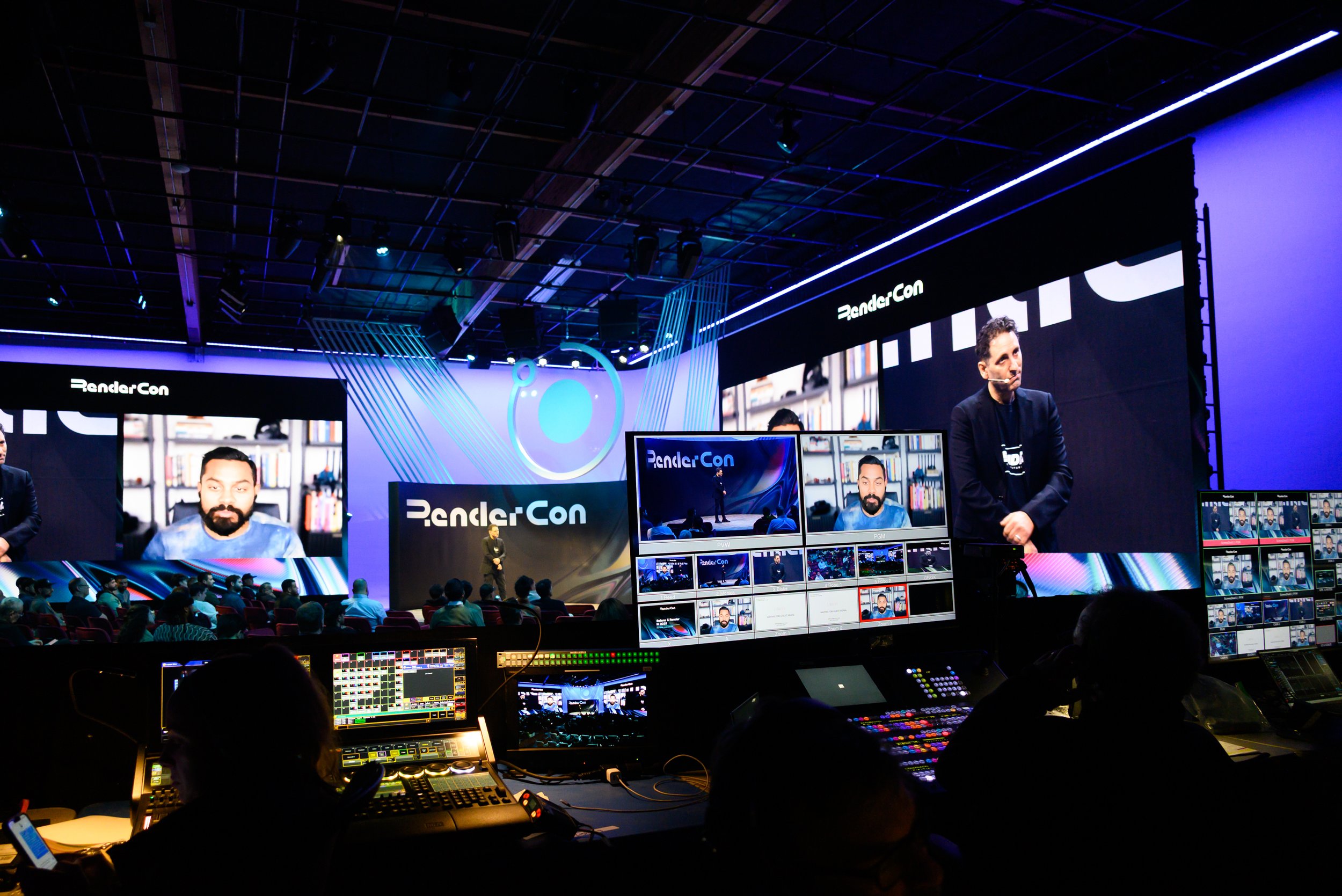
Where AI, Graphics, and Real Production Converge
Hosted by the Render Network Foundation
April 16-17, 2026
Hollywood, CA
APRIL 16-17, 2026
NYA Studios - LOS ANGELES
CONFIRMED
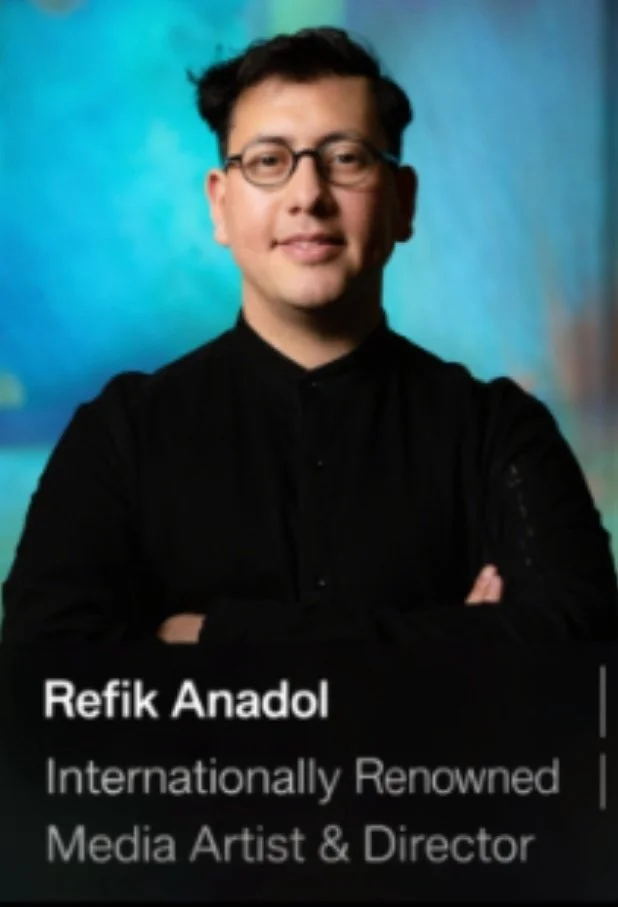
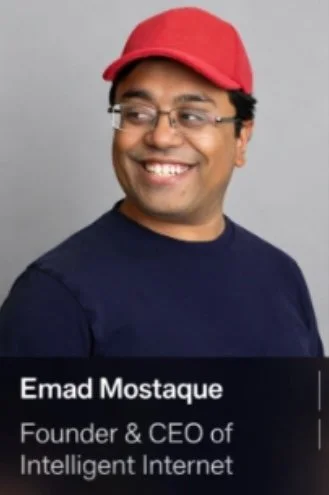
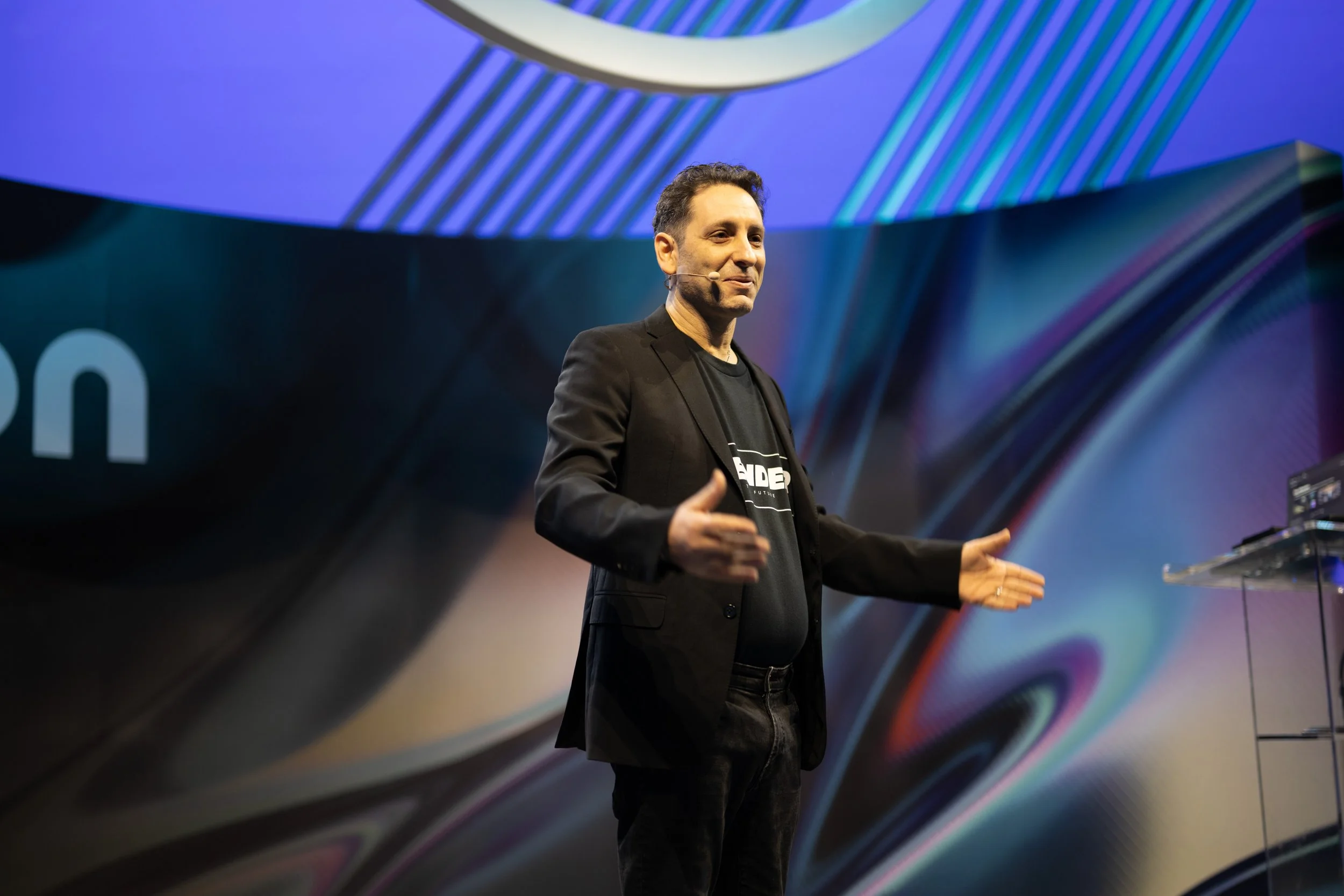
SPEAKERS:
About RenderCon
RenderCon 2026 brings together artists, studios, technologists, and infrastructure leaders to examine this question.
This is not a conference about hype, demos, or speculative futures. It's about the last mile: reliability, control, scale, and creative trust.
What to Expect
Across main stage conversations, artist panels, and hands-on side-stage sessions, RenderCon 2026 explores:
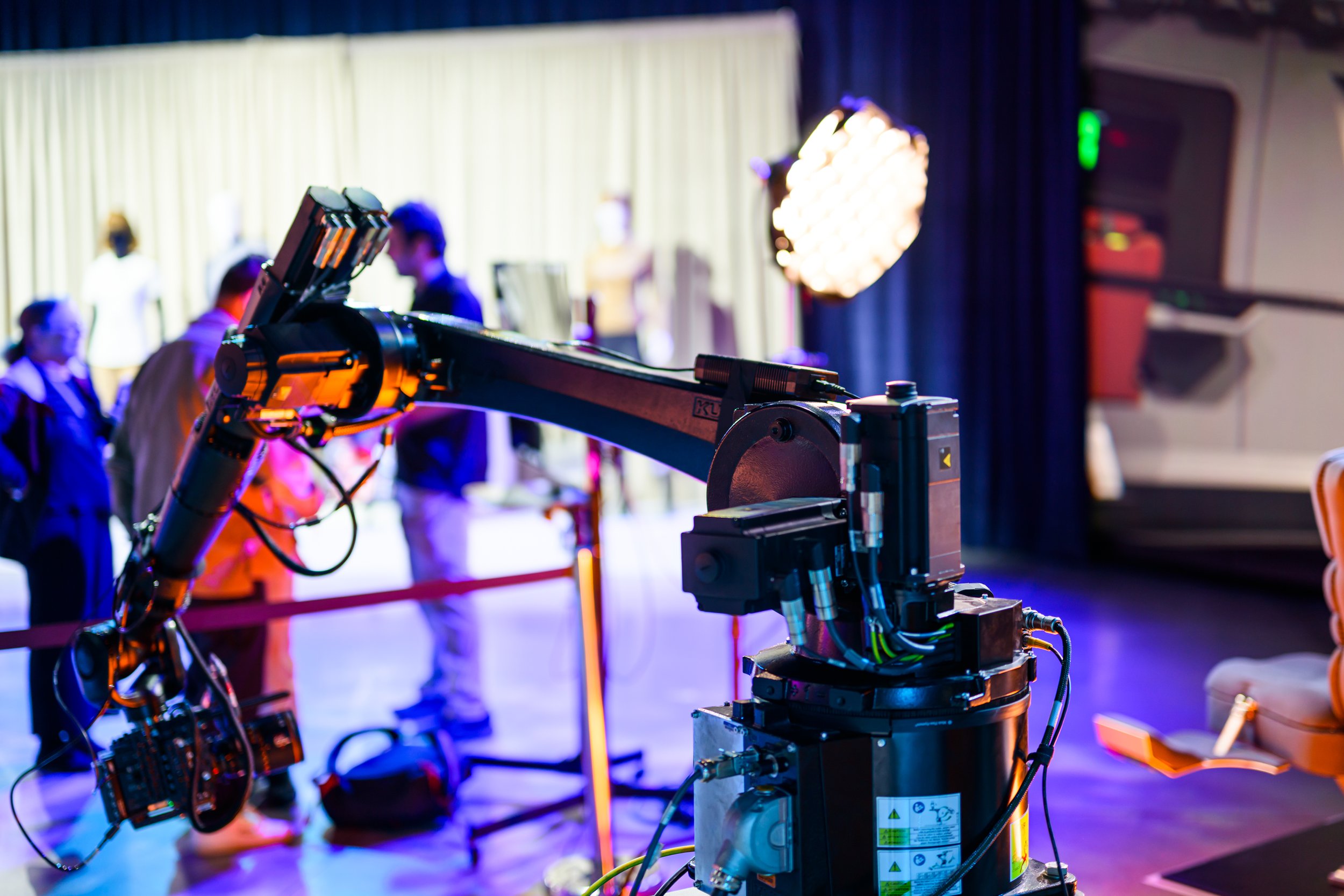
Preserving Creative Intent
How creative intent is preserved as pipelines become more complex, and what artists want versus what actually works in production.
Real Production Under Real Deadlines
How decentralized and hybrid compute models perform under real deadlines, and where rendering, simulation, and AI meaningfully intersect.
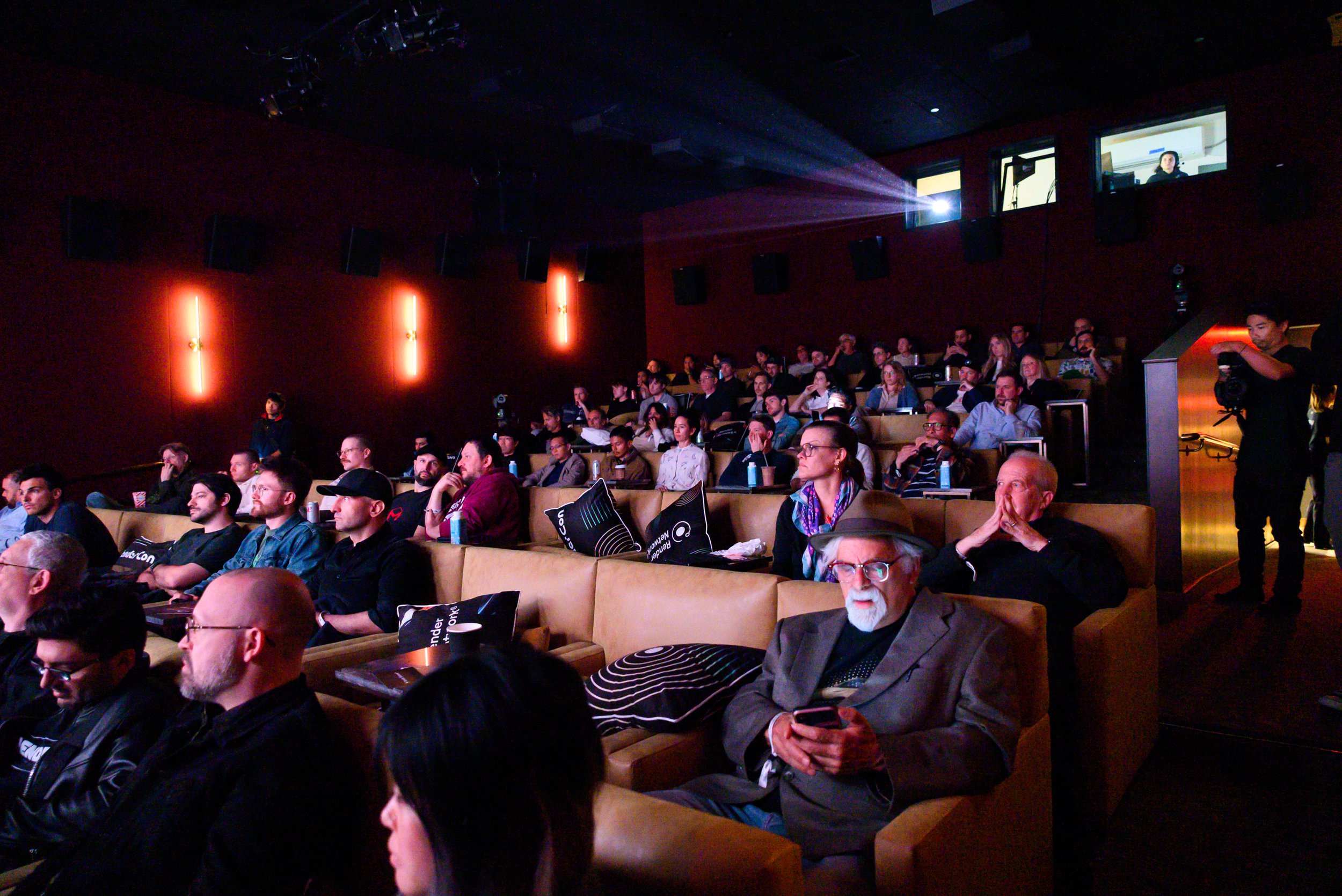
The New Cinematic Pipeline
Photorealism, control, and the new cinematic pipeline—balancing speed, realism, and authorship in the age of AI.
How advanced compute, rendering, and AI systems are being integrated into professional pipelines today—and what studios and artists actually need from tools and infrastructure.
Advanced Compute & AI Integration
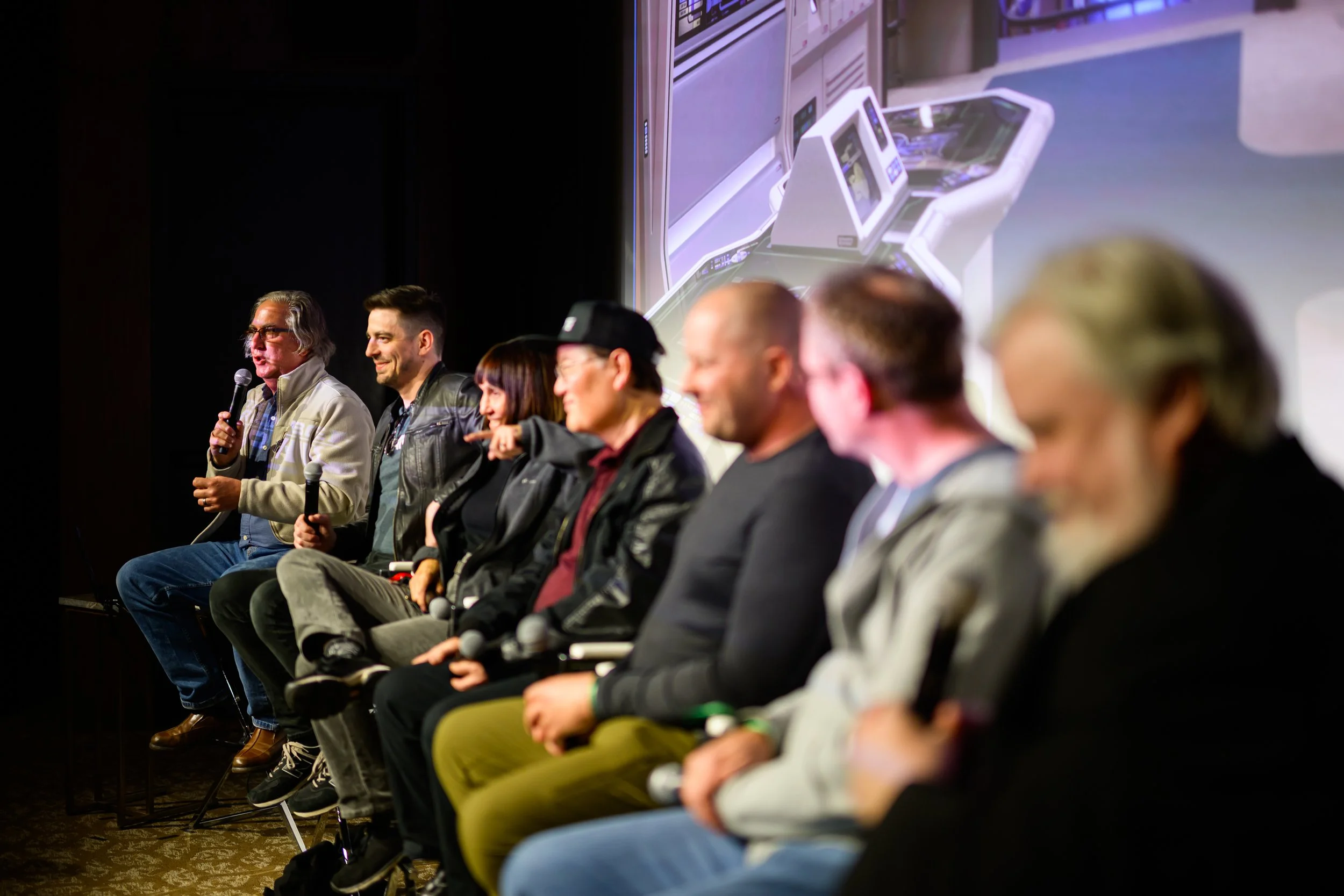
Program Highlights
Stage Talks
DAy 1
-
An opening look at how Render Network has evolved over the past year and what’s fundamentally different now with a focus on the last mile of AI in media production—where control, consistency, and real-world workflows still break down.
Speakers:
Jules Urbach - CEO of OTOY & Founder of Render Network
Trevor Harries-Jones - Board Director at Render Foundation + COO at OTOY
-
As filmmaking grows more complex and technology-driven, studios are increasingly investing in internal R&D and external partnerships to build tools tailored to their creative and production needs.
This panel examines how studios collaborate with technologists and infrastructure partners to develop new capabilities across rendering, visualization, asset management, and pre-production workflows. These efforts aim to extend what filmmakers can do, accelerate iteration, and support new forms of storytelling.
-
World models promise AI systems that understand scenes, space, and continuity, not just single images. This session cuts through the hype to explain what world models actually are, why they matter for video, simulation, and 3D workflows, and what kind of compute and tooling they require to be usable in production.
-
Artists and creative technologists discuss how AI is actually being used today inside production workflows. Where does AI save time? Where does it create friction? And what needs to change before AI feels like a trusted creative tool instead of an unpredictable shortcut?
-
Photorealism in film has always been the result of careful control—lighting, materials, motion, camera, and continuity across shots. As neural and procedural techniques enter production pipelines, the challenge isn’t realism alone, but how these systems integrate into the tools filmmakers already trust.
This panel explores how advanced rendering and AI-assisted workflows are being incorporated into traditional filmmaking platforms and tools, enabling cinematic-quality results without breaking established creative processes. Panelists will discuss how filmmakers and technologists are working together to balance speed, realism, and artistic intent—while preserving the fine-grained control required for professional storytellin
-
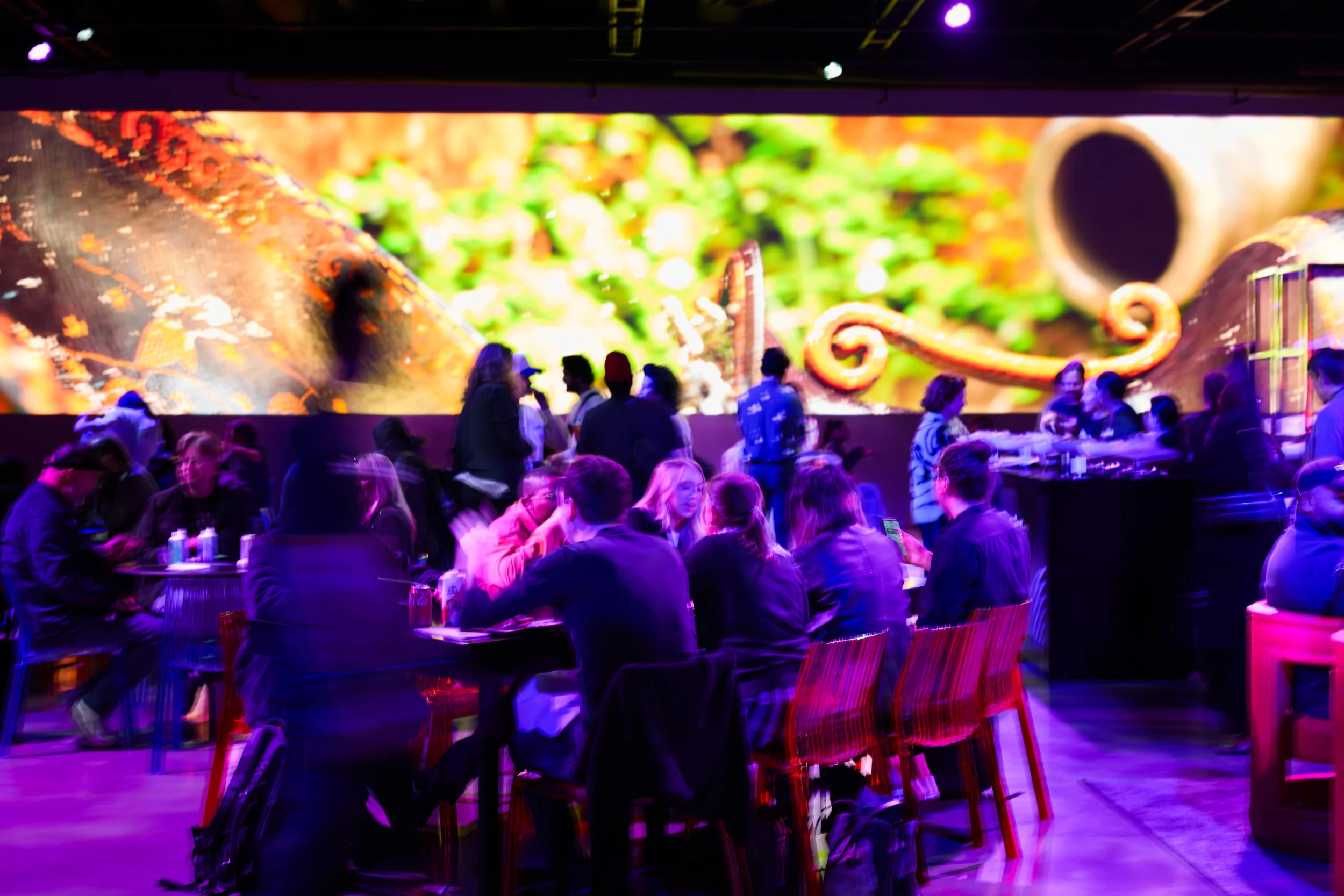
SUBMERGE: Beyond the Render converges digital art and physical space at architectural scale, with cinematic fidelity. This panel brings together artists featured in the SUBMERGE exhibition to discuss how large-scale, immersive works are conceived, produced, and experienced.
Day 2
-
A fast-paced update on what’s shipped across the Render Network ecosystem, what’s actively in development, and what developers can build against today. This session focuses on concrete capabilities, API updates, tooling improvements, and lessons learned from real usage, cutting through roadmaps to show what’s actually usable right now.
-
Real-world case studies from teams building on Dispersed, covering what shipped and what changed once projects met real users and real workloads. Panelists share architectural decisions, unexpected constraints, and how decentralized infrastructure behaves under production pressure.
-
Gaussian splats are emerging as a powerful new representation for capturing and rendering 3D scenes. This session demystifies what they are, how they differ from meshes and NeRFs, and where they fit into modern capture pipelines. Presenters walk through acquisition workflows, performance considerations, and practical use cases in production
-
A hands-on walkthrough of modern VFX pipelines using distributed and hybrid compute. This workshop focuses on how assets move from creation through rendering, what to expect when scaling workloads, and how artists and studios can integrate decentralized resources without rearchitecting their entire pipeline.
-
As AI demand continues to surge, GPU availability and cost have become strategic concerns. This panel looks at how teams choose between data-center GPUs, consumer hardware, and hybrid approaches—and what those decisions mean for cost, performance, and scalability.
-
Virtual production techniques are no longer exclusive to blockbuster budgets. This workshop showcases practical setups, tools, and workflows that enable smaller teams and independent creators to use real-time environments, virtual cameras, and LED-style techniques without massive infrastructure investments.
-
Blender Cycles is increasingly used in professional production environments—but scaling it introduces real tradeoffs. This session examines production case studies that break down cost vs. speed, local vs. distributed rendering, and how Blender integrates with Octane and the Render Network in real-world workflows.
-
As 3D and motion design move from niche craft to core visual language, artists are redefining how brands, culture, and storytelling take shape. This panel brings together leading studios and independent artists working across motion, design, and spatial media to discuss how ideas move from concept to finished work—and how workflows are evolving to meet growing expectations for quality, speed, and originality. The conversation focuses on creative decision-making, aesthetic control, and the realities of producing high-end 3D work in commercial and cultural contexts.
Key details to help you plan your experience
FAQ
-
Nya Studios West, 1520 Wilcox Ave. Los Angeles, CA 90028
-
On the first day of the conference, April 16th, you can expect keynotes, panels, and plenty of networking opportunities. The second day, April 17th, will be dedicated to more hands-on workshops, learning-by-doing, and office hours for artists and developers with Render Network support staff…in addition to more networking opportunities.
-
-
-
Accommodation details coming soon. Please check back or contact us for recommendations.
Nearby Hotels:
Dream Hotel LA
The Hollywood Grande Autograph Collection
-
Los Angeles International Airport (airport code: LAX) has many direct flights and flights with connections to and from destinations all over the world. We recommend starting with that. Alternatively, Hollywood Burbank Airport (airport code: BUR) is a regional airport that is a 20-minute drive away from the venue (could be longer, depending on traffic). Other regional airports include John Wayne Airport (airport code: SNA) in nearby Santa Ana and Long Beach Airport (airport code: LBG).
-
We're happy to provide a formal invitation letter personalized for you after confirming registration. Once you register, we can work with you. We also offer flexible cancellation for those whose visa may not be approved.
For invitation letters, please email: events@renderfoundation.com